
Reproductive Health
Raising Awareness about Breast Cancer: How to Prevent Through Daily
October 19, 2025 | Nolan Pierce
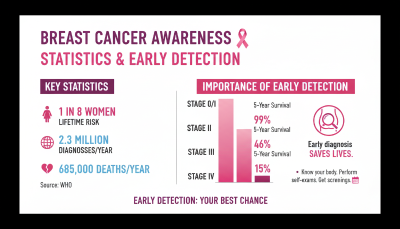
Breast cancer poses a significant risk, affecting 1 in 8 women by the age of 75. Given the gravity of the situation, how aware are you of the symptoms that could save lives? It’s essential to prioritize your health and take proactive steps towards prevention and early detection today.
Recognizing Key Symptoms of Breast Cancer
Identifying the early signs of breast cancer is vital for effective intervention and treatment. Common symptoms include noticeable changes in breast texture, like the formation of lumps that might feel like hard knots, as well as breast pain or tenderness. While such discomfort may often relate to benign conditions, it's critical not to overlook it.
Many symptoms can easily be confused with normal hormonal fluctuations, highlighting the need for awareness. If you notice unusual changes in your breasts, dismissing them could delay crucial medical attention. Actively monitoring your breast health significantly improves treatment outcomes—quick consultation with healthcare professionals for any concerning changes is essential.
Why Early Screening is Vital
Early screening for breast cancer greatly improves detection rates and treatment success. Recognizing abnormalities in their earliest stages can substantially enhance survival rates.
The CDC recommends that women aged 50 to 74 undergo mammograms every two years, while those aged 40 to 49 should talk to their healthcare providers about tailored screening plans based on personal risk factors like family history. Notably, mammography has been shown to reduce breast cancer mortality by 15-30% in women aged 40-74.
Moreover, clinical breast exams (CBE) are suggested every one to three years for women in their 20s and 30s, transitioning to annual exams after age 40. This comprehensive approach, combining imaging with physical examinations, can catch any early signs of cancer effectively.
A proactive attitude toward regular screenings is indispensable, as breast cancers detected at initial stages boast up to a 99% five-year survival rate. By empowering individuals through education and timely screenings, we can collectively fight this disease.
Practical Steps You Can Take for Prevention
Evaluate Your Dietary Habits
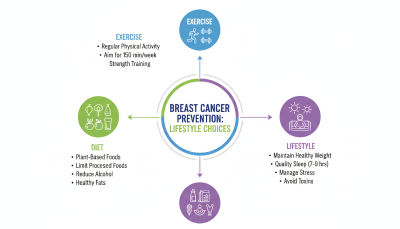
Incorporating a variety of fruits, vegetables, whole grains, and lean proteins can strengthen your immune system. Limiting processed foods and red meats is equally beneficial in reducing your risk of breast cancer.
Stay Hydrated
Ensure you're drinking plenty of water, and consider beverages rich in antioxidants like green tea, which may offer additional health benefits in preventing breast cancer.
Engage in Regular Physical Activity
Aim for at least 150 minutes of moderate aerobic activity per week, such as brisk walking or cycling, and include strength training on at least two days. Physical activity is a key factor in lowering your breast cancer risk.
Maintain a Healthy Weight
Obesity is linked with a higher risk of breast cancer. Maintaining a healthy weight can significantly reduce this risk.
Limit Alcohol Consumption
The American Cancer Society recommends limiting alcohol intake to one drink per day, as higher alcohol consumption is associated with an increased risk of breast cancer.
Understand Your Family History
Your family history of breast cancer plays a role in your risk. Being aware of this can guide your preventive measures and inform discussions with your healthcare provider.
Perform Regular Self-Exams and Screenings
Self-exams and annual screenings are essential for early detection. Regular check-ups increase the likelihood of detecting breast cancer early, which can improve treatment outcomes.
Stay Informed and Follow CDC Guidelines
For comprehensive guidelines on breast cancer prevention, refer to the CDC's resources available at CDC.gov. Staying educated about preventive measures empowers you to take control of your health.
When to Seek Medical Attention
Persistent breast pain can raise concerns, making it vital to know when to consult a doctor. If the pain lasts beyond a few weeks or is accompanied by swelling, significant changes in size, or a lump, you should seek professional medical advice immediately. Additionally, symptoms such as unusual discoloration, abnormal nipple discharge (especially if blood-stained), or changes in skin texture warrant urgent medical attention.
Being vigilant about your breast health and recognizing these signs can dramatically assist in early detection. Regular check-ups with your doctor shouldn't just be a response to fear, but a proactive step in maintaining overall health.
Empower Your Journey Toward Health
Awareness and proactive measures are crucial in preventing breast cancer. Regular screenings, recognizing early symptoms, and making healthy lifestyle choices can significantly boost survival rates. Focus on your health: schedule your check-ups, ask about screening options, and engage openly with healthcare professionals regarding any queries about your breast health. Start prioritizing your well-being today—advocate for yourself, and don’t hesitate to seek help when needed. Empower your journey towards wellness!